

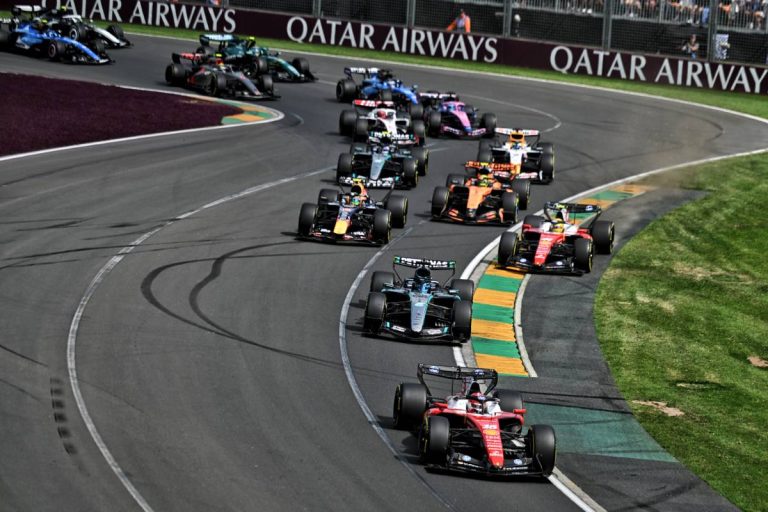
The 2026 Formula 1 World Championship has launched into what many are calling the most unpredictable era in the sport’s 76-year history. With the introduction of radical technical regulations—featuring a 50/50 power split between internal combustion and electric energy, active aerodynamics, and the debut of the 11th team—the pecking order has been completely reshuffled.
As we assess the performance of the 11 teams following the season-opening rounds, it is clear that the “Big Three” hegemony is under siege, and the arrival of Audi and Cadillac has injected a new layer of strategic complexity into the paddock.
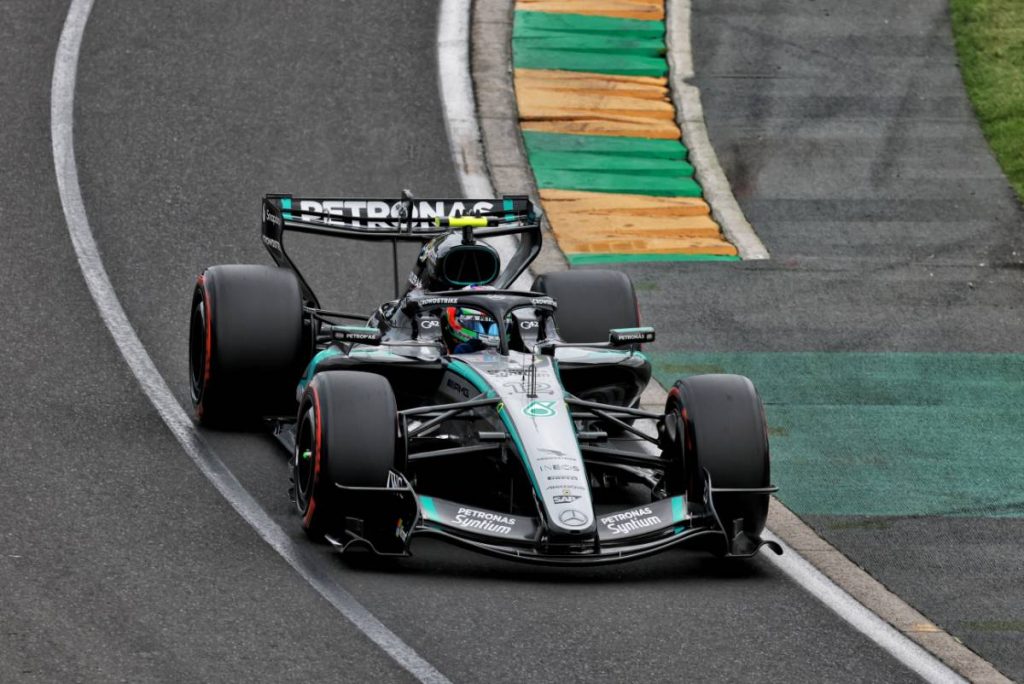
1. Mercedes-AMG PETRONAS: The Power Standard
Mercedes has emerged as the early benchmark of the 2026 era. Historically, the Silver Arrows have thrived during major power unit transitions, and 2026 is no exception. Their new power unit appears to be the most efficient at managing the “Manual Override” energy deployment, allowing George Russell to maintain high top speeds without the “clipping” (battery depletion) seen in rival cars.
-
George Russell has stepped seamlessly into the role of team leader, looking every bit a title favorite.
-
Kimi Antonelli has silenced skeptics with a mature debut, proving that Mercedes’ faith in their junior program was well-placed.
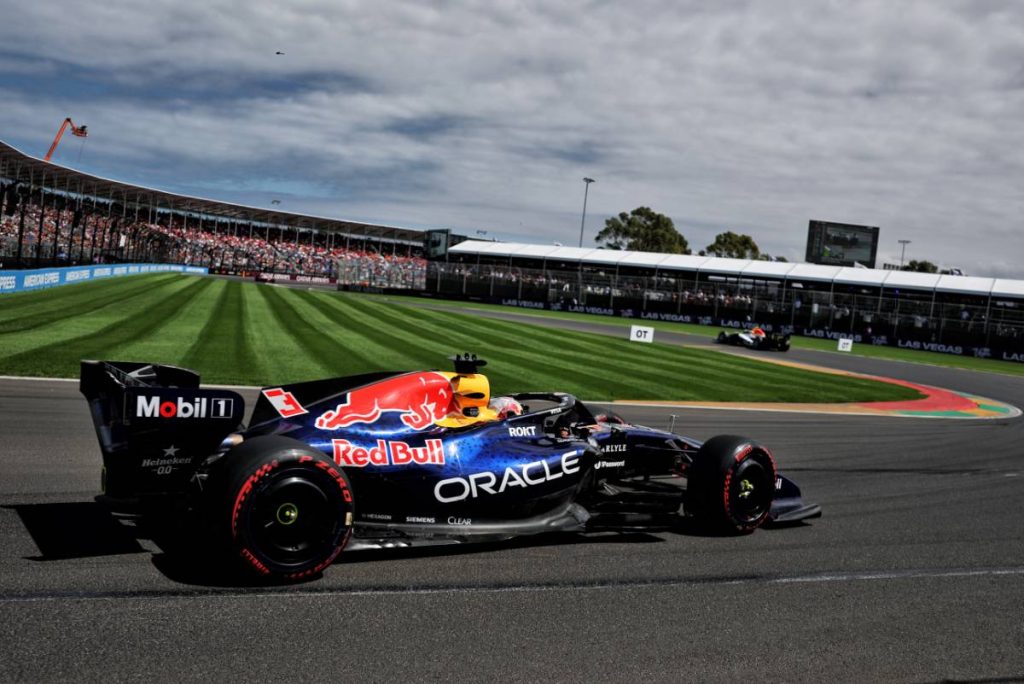
2. Oracle Red Bull Racing: The Ford Gamble
The transition to Red Bull Ford Powertrains was the biggest risk of the decade. While the RB22 chassis remains a masterpiece of packaging, the power unit has shown some “teething” issues regarding heat management. Max Verstappen is still the most formidable driver on the grid, dragging results out of the car through pure race craft, but the team is no longer the untouchable force of years past.
-
Max Verstappen remains the “Eraser,” fixing the car’s flaws with his driving, though the 2026 title looks like it will be his hardest-fought yet.
-
Isack Hadjar has had a baptism of fire, showing flashes of speed but struggling with the immense pressure of being Verstappen’s teammate.
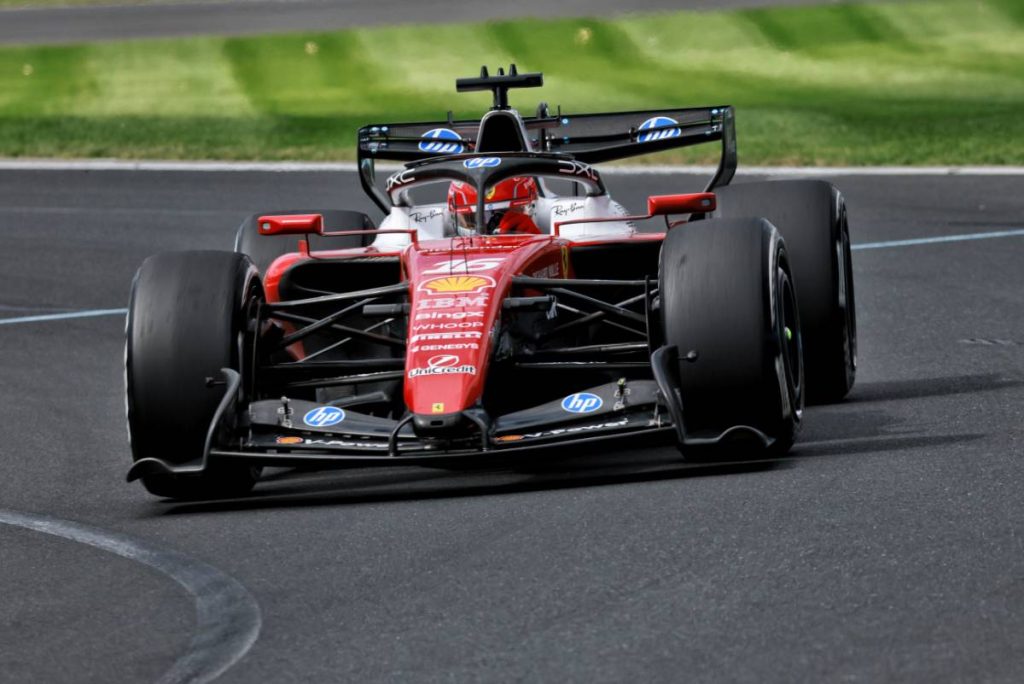
3. Scuderia Ferrari: The Super-Team Paradigm
The “Hamilton Era” at Ferrari has finally begun. The SF-26 is arguably the fastest car over a single lap, thanks to its aggressive aero-mapping. However, the team continues to struggle with race-day operational consistency. The 50% electrical power split requires a level of energy-harvesting management that Ferrari’s software hasn’t quite perfected yet.
-
Charles Leclerc remains the qualifying king but has voiced frustration over the car’s “harvesting” behavior in heavy traffic.
-
Lewis Hamilton has brought a calming influence to the garage, focused on long-run pace and strategic conservation.
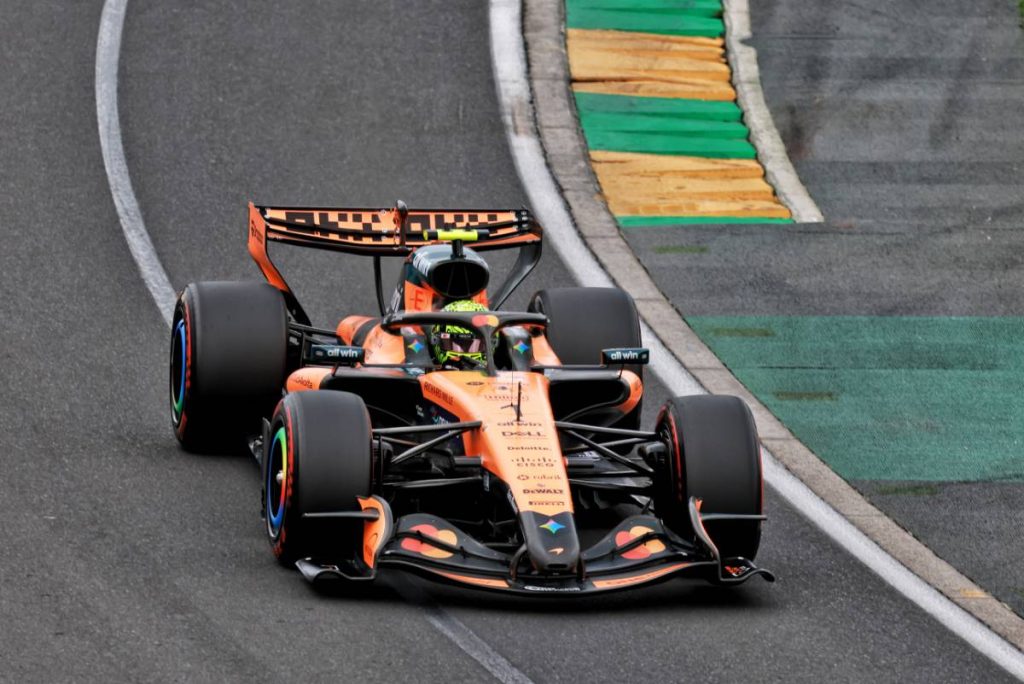
4. McLaren Mastercard: The Victim of Success?
After dominating 2025, McLaren entered 2026 with a target on its back. The MCL40 is a solid, well-rounded car, but it lacks the “silver bullet” feature that Mercedes or Red Bull possess. They remain a constant podium threat, but the gap to the very front has grown slightly as others found more gains in the new PU regulations.
-
Lando Norris is defending his title with grit, but he is having to work significantly harder for P3s and P4s.
-
Oscar Piastri continues his clinical progression, often outshining Norris in high-degradation scenarios.
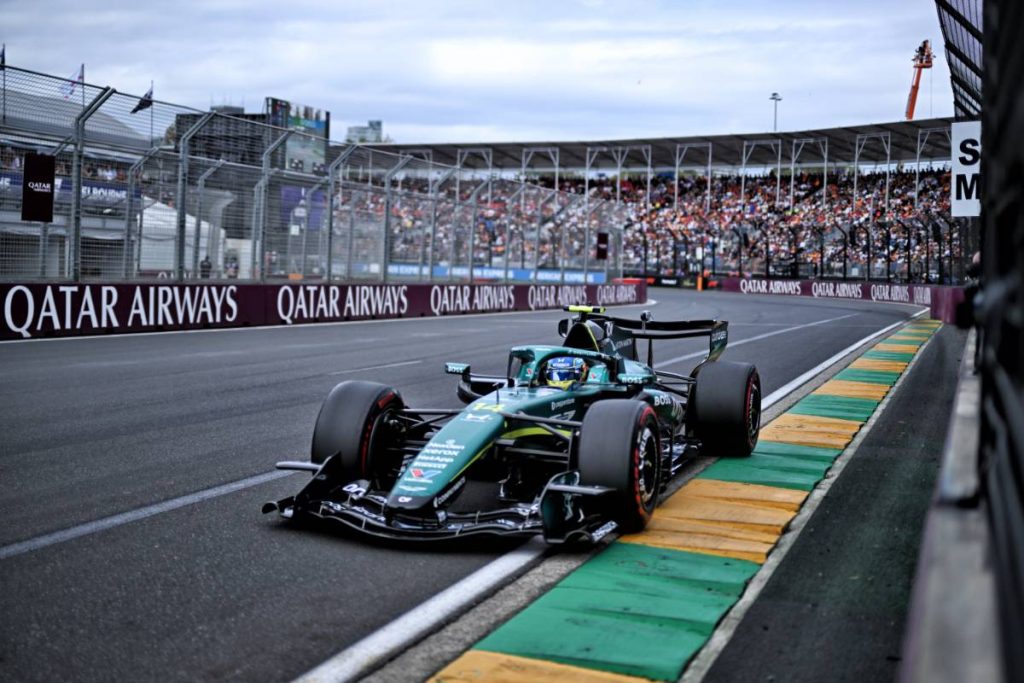
5. Aston Martin Aramco: The Newey Factor
The 2026 season was supposed to be the year Adrian Newey and Honda propelled Aston Martin to the front. While the car is visually the most complex on the grid, it has proven difficult to balance. The synergy between the Honda PU and the Newey-designed chassis is high-potential but currently lacks the “operating window” required for every circuit.
-
Fernando Alonso is as defiant as ever, but even his legendary patience is being tested by the car’s unpredictability.
-
Lance Stroll has benefited from a more stable rear end in the new design, putting in consistent points-scoring performances.
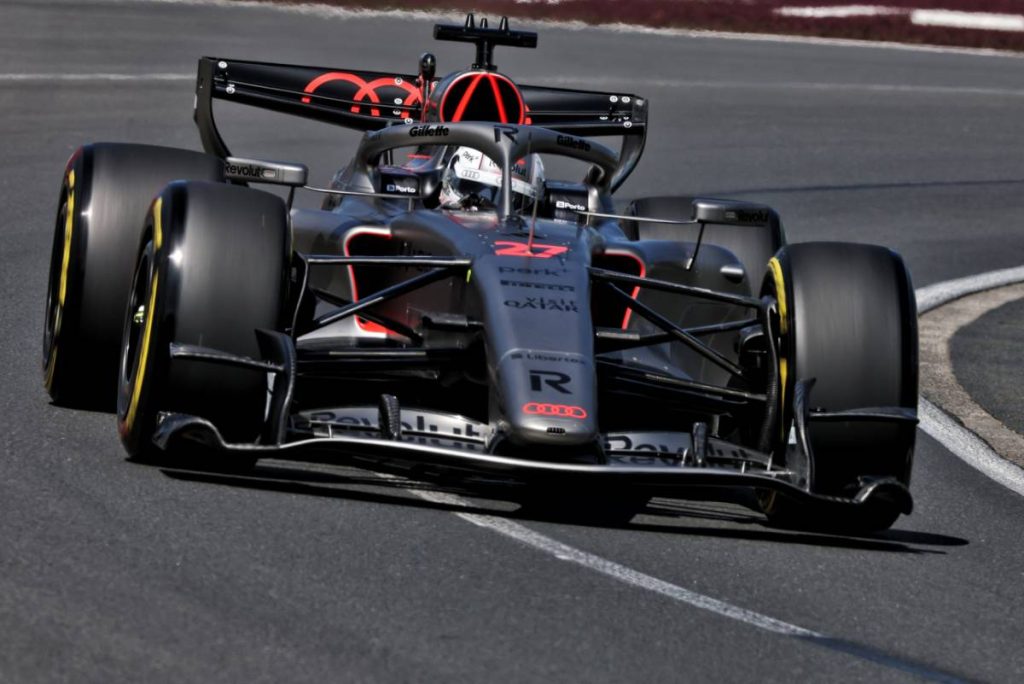
6. Audi F1 Team: The German Giant Awakes
Audi’s official entry has been one of the highlights of the season. Transitioning from the Sauber base, the Audi R26 is remarkably reliable for a maiden effort. Their power unit sounds distinct and seems to have a strong torque curve, helping them dominate in slow-speed traction zones.
-
Nico Hülkenberg is providing the veteran feedback Audi needs, securing points in almost every outing.
-
Gabriel Bortoleto has been a revelation, matching his experienced teammate and proving he belongs in the elite category.
7. 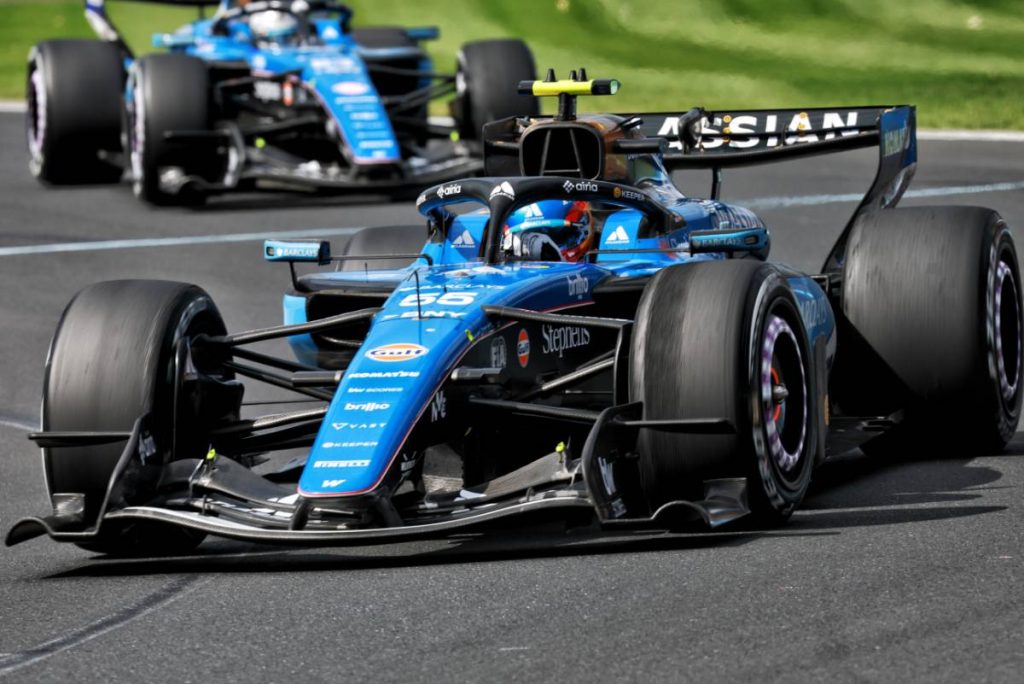
Williams has made the most of its Mercedes partnership. By taking the full Mercedes rear end (gearbox and suspension), they have inherited much of the Silver Arrows’ stability. They are no longer “backmarkers” but legitimate “midfield leaders.”
-
Carlos Sainz has brought a “winner’s mentality” to Grove, and his technical feedback is visibly accelerating the team’s development.
-
Alex Albon remains the heartbeat of the team, forming perhaps the most balanced midfield pairing on the grid.
8. Cadillac F1 Team: The American Arrival
Entering as the 11th team, Cadillac had the steepest mountain to climb. Running a Ferrari-supplied customer engine (for now) while they develop their own for 2028, the MAC-26 is a “safe” design. Their goal for 2026 is reliability and respectable finishes, and so far, they have achieved both.
-
Valtteri Bottas has been the perfect “ambassador-driver,” bringing his experience from Mercedes and Sauber to help the team find its feet.
-
Sergio Perez has found a second wind in the American squad, free from the crushing pressure of the Red Bull garage.
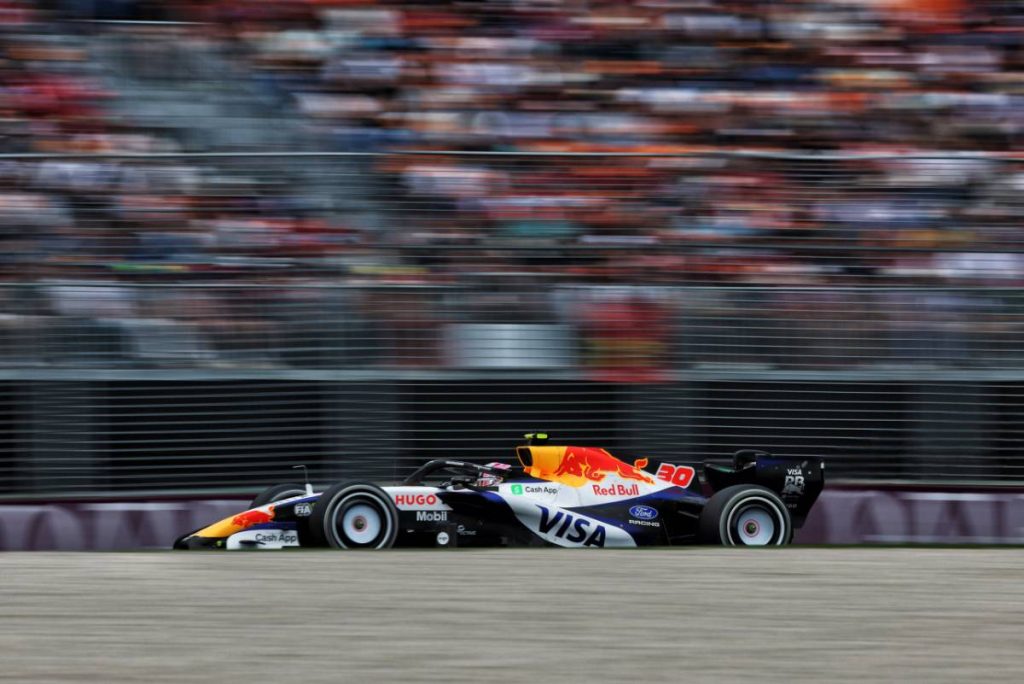
9. Visa Cash App Racing Bulls: The Technical Puzzle
The sister Red Bull team is utilizing the same Ford-backed power unit as the senior squad. While they have shared some of the senior team’s PU struggles, their chassis—optimized for high-speed aero—has made them “drag strip” kings.
-
Liam Lawson is the clear leader here, showing the “doggedness” that Red Bull management demands.
-
Arvid Lindblad, the youngest man on the grid, is on a steep learning curve but has shown exceptional bravery in wheel-to-wheel combat.
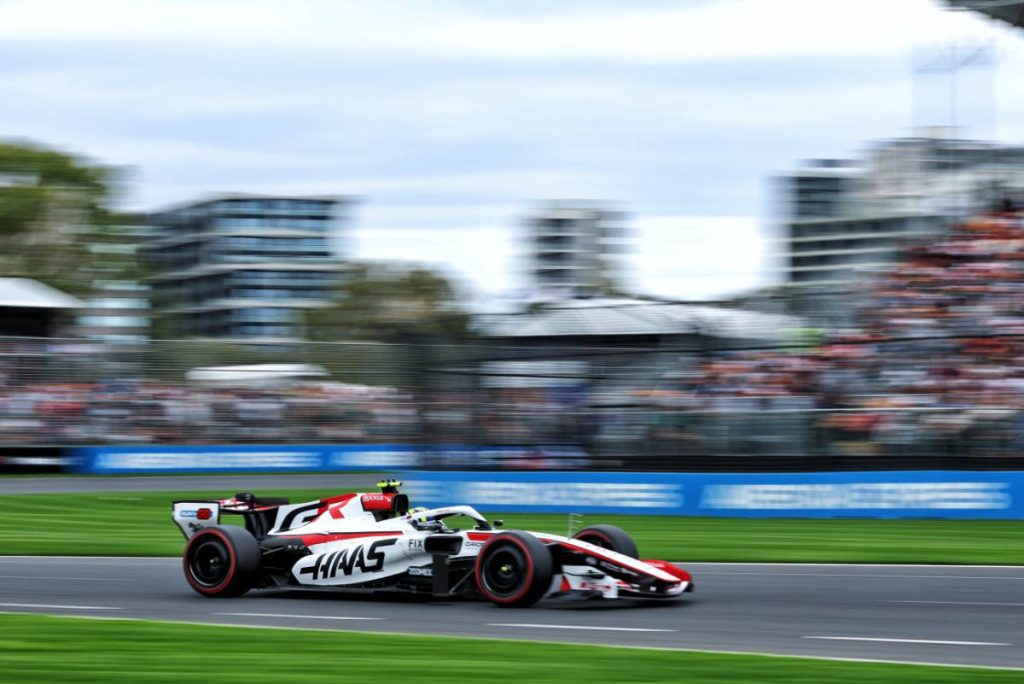
10. Haas F1 Team: The Efficiency Experts
Haas continues to punch above its weight class. Their 2026 challenger is a “lean” machine, focused on low drag. While they lack the developmental budget of the works teams, their ability to maximize the Ferrari power unit in cold conditions has led to some “upset” results in qualifying.
-
Esteban Ocon has adapted well to the American environment, providing a gritty defensive style that earns Haas crucial points.
-
Ollie Bearman is the future of the team, displaying a raw speed that suggests he won’t be at Haas for very long.
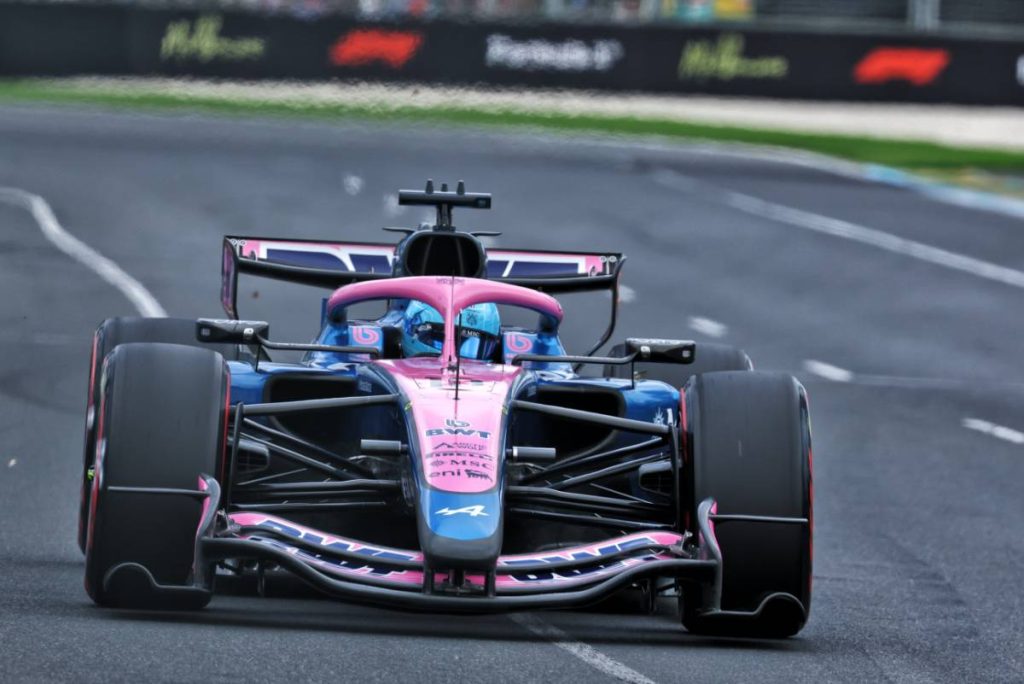
11. Alpine F1 Team: The Struggle for Identity
Alpine remains in a period of transition. After rumors of a move away from their own power unit, the 2026 engine feels like a “stop-gap.” It is currently the heaviest unit on the grid, which compromises the car’s agility in the narrow street sections that the new 2026 chassis was designed to exploit.
-
Pierre Gasly is carrying the team on his shoulders, often qualifying higher than the car deserves.
-
Franco Colapinto has been energetic and aggressive, but he is frequently hampered by technical gremlins.
Conclusion: A Championship of Efficiency
The 1,200-word story of the 2026 season so far is not about who has the most horsepower, but who manages their energy the best. The new regulations have created a “tactical” style of racing where drivers must choose when to “attack” (Overtake Mode) and when to “harvest” (Recharge).
Mercedes currently holds the advantage because their system allows for more frequent “attacks” without needing long “recharge” windows. Red Bull has the aerodynamic edge but is being held back by a power unit that is still finding its “rhythm.” Ferrari has the raw speed but lacks the operational polish to capitalize on it.
The inclusion of Cadillac has proven that an 11th team can be competitive without diluting the sport, and Audi’s points-scoring debut suggests that the era of privateer struggle is over—this is now a clash of industrial titans.
The Verdict: We are looking at a three-way battle for the Drivers’ Championship between George Russell, Max Verstappen, and Charles Leclerc, with Lewis Hamilton and Lando Norris acting as the ultimate “spoilers.” For the first time in a decade, the “engine” is once again the most important component in Formula 1.