

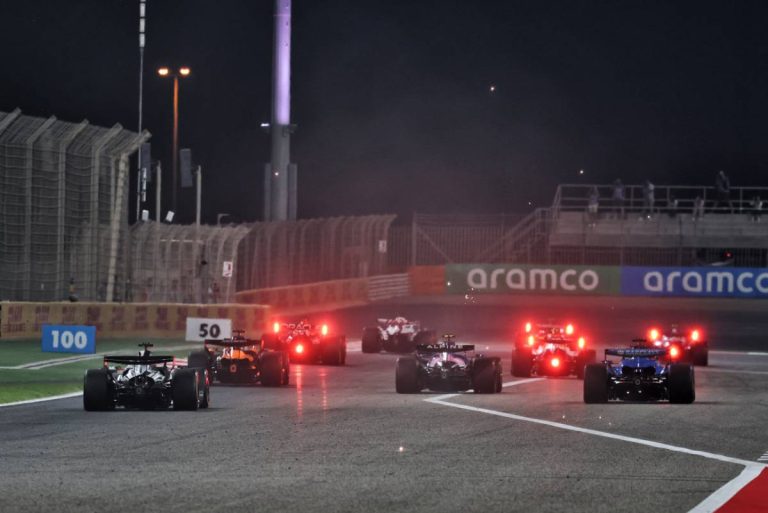
The chill bite of winter may still cling to the air, but for Formula 1 enthusiasts, the warmth of anticipation is already radiating from the bustling pit lanes and roaring engines of pre-season testing.
The 2026 winter testing session marks not just the beginning of a new championship fight, but the dawn of a radical new technical era, one that could irrevocably reshape the competitive landscape for years to come. With sweeping aerodynamic changes and significantly revised power unit regulations, every team arrives at the circuit with a mixture of trepidation and fervent hope. The stakes are immense, and for Scuderia Ferrari, in particular, this winter offers a crucial litmus test for their ambitions, not just for the immediate season, but for the long-term goal of challenging for championships, a goal that intertwines tantalizingly with the prospect of Lewis Hamilton’s potential eighth world title in 2028.
The 2026 Regulation Overhaul: A Brave New World
The technical regulations introduced for 2026 are perhaps the most significant in over a decade. The focus is squarely on sustainability and closer racing. While V6 turbo-hybrid engines remain, the MGU-H (Motor Generator Unit – Heat) has been removed, simplifying the power unit and making it more appealing for new manufacturers to enter the sport. The electrical component of the power unit has been significantly boosted, meaning a much greater reliance on electrical energy throughout a lap. This shift fundamentally alters the demands on energy management strategies and driver technique.
Aerodynamically, the cars are slimmer, lighter, and feature movable aerodynamic elements, including active front and rear wings designed to reduce drag on straights and increase downforce in corners. This radical concept, dubbed “active aero,” aims to create more overtaking opportunities and make the cars more efficient. However, it also introduces a new layer of complexity for engineers and drivers alike, demanding precise calibration and intuitive understanding.
The intention is clear: to reset the competitive order, reward ingenuity, and create a more level playing field. But as history has shown, new regulations often lead to one team unlocking a secret advantage, leaving the rest playing catch-up.
Ferrari’s 2026 Challenge: From Hope to Reality
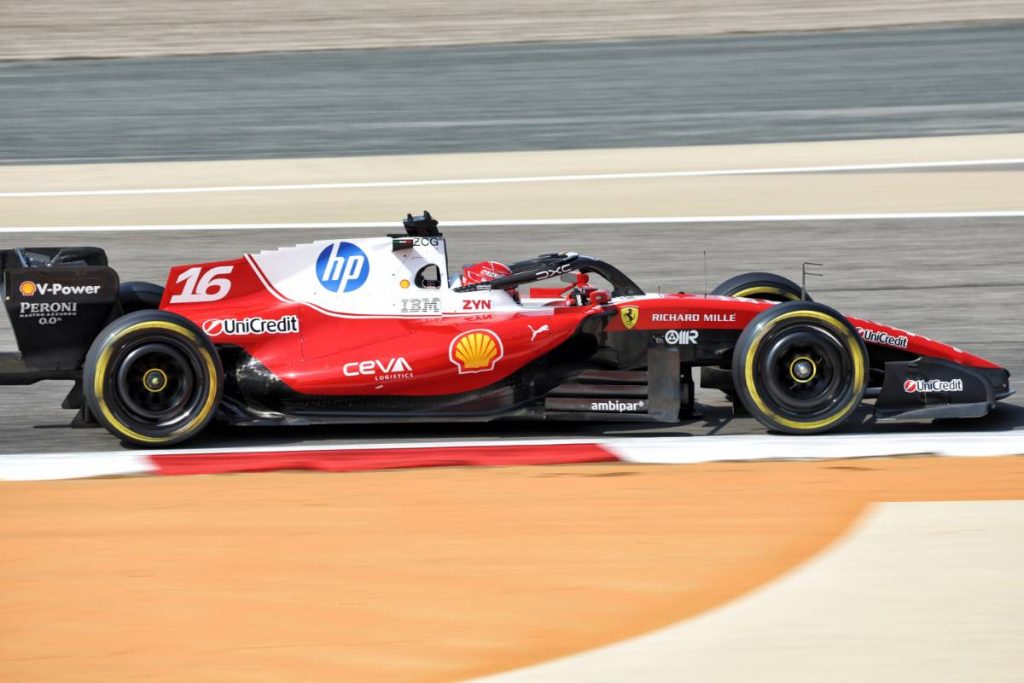
For Scuderia Ferrari, 2026 is more than just another season; it’s a pivotal moment. The tifosi, ever-loyal and ever-demanding, have endured periods of feast and famine. While glimpses of championship potential have emerged in recent years, consistency and the ultimate prize have remained elusive. The 2026 regulations present a double-edged sword: an opportunity to erase past deficiencies and build a truly dominant car, but also the risk of misinterpreting the new rulebook and falling further behind.
Early reports from Maranello speak of an intense development program, leveraging every available resource. The integration of the new, simplified power unit with the active aero concept is paramount. Ferrari’s engine department, historically a cornerstone of their success, faces the challenge of maximizing the electrical component and ensuring seamless energy deployment. Their aerodynamicists, meanwhile, are tasked with taming the active wings, finding the optimal balance between straight-line speed and cornering grip – a delicate dance that will define performance.
During winter testing, Ferrari’s focus will be multifaceted. Reliability, always a primary concern with new regulations, will be rigorously tested. Data correlation between simulator and track will be critical, as will understanding how the tires interact with the lighter, more agile cars. Driver feedback from Charles Leclerc and his new teammate (or continued partnership, depending on contractual specifics) will be invaluable in guiding the development path. If Ferrari can emerge from testing with a car that demonstrates strong straight-line speed, efficient energy management, and a predictable aerodynamic platform, it will send a clear signal of intent to their rivals.
The real test, however, will be in the subtle details. How quickly can they adapt their setup to varying track conditions? How robust is their active aero system? Can they consistently extract peak performance without encountering unforeseen issues? The whispers from the paddock will tell a story long before the first race lights go out. A strong showing in 2026 is not just about winning races; it’s about building momentum, attracting the best talent, and creating a stable platform for future success, particularly with an eye on the monumental 2028 season.
The Contenders: Who Will Master the New Era?
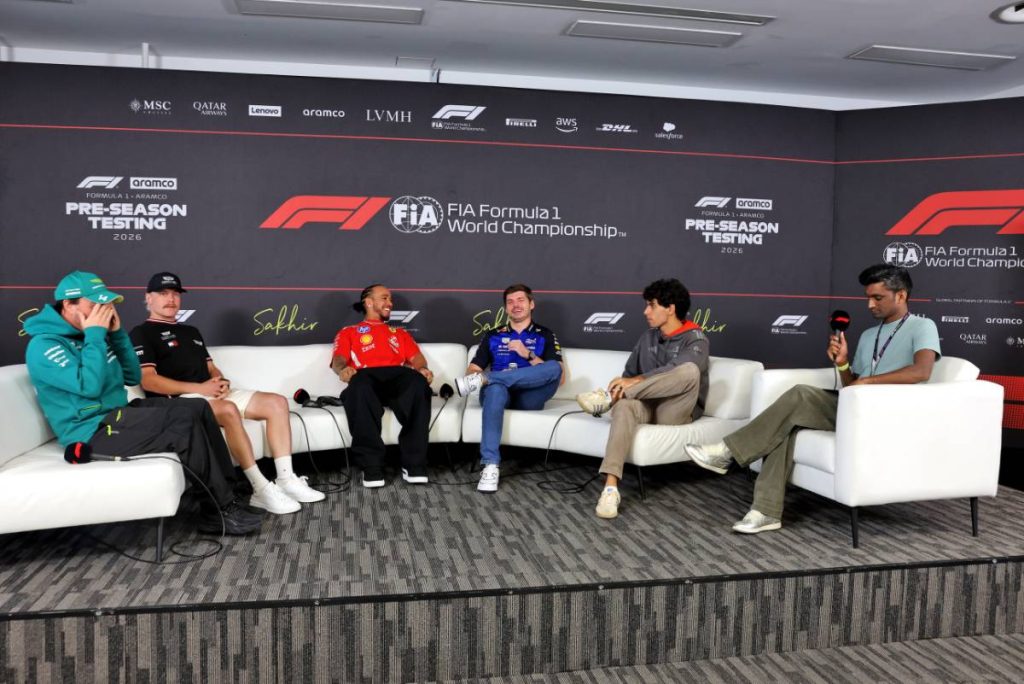
While Ferrari toils, their rivals are equally immersed in the maelstrom of new regulations.
-
Red Bull Racing: The reigning champions enter 2026 with a formidable reputation and the genius of Adrian Newey, who has historically excelled in exploiting new rule sets. Their new engine partnership with Ford brings an element of the unknown, but their track record suggests they will be a force to be reckoned with. The key for Red Bull will be integrating their chassis philosophy with the new power unit and active aero, while maintaining their strategic prowess. If Newey finds another loophole, the field could be in trouble.
-
Mercedes-AMG Petronas F1 Team: Mercedes, having dominated the hybrid era, will be desperate to reclaim their throne. The 2026 regulations offer them a fresh start to rectify the design missteps of previous years. Their engine department remains incredibly strong, and their experience with complex hybrid systems will be an advantage in the new electrical-heavy era. The big question mark is their aerodynamic concept. If they can produce a more balanced and efficient car, particularly with the active aero, they will be a serious threat. Their driver lineup, especially with the absence of Lewis Hamilton, will be under intense scrutiny to deliver.
-
Aston Martin F1 Team: Having invested heavily in infrastructure and personnel, Aston Martin harbors genuine championship ambitions. The 2026 regulations represent a golden opportunity for them to leapfrog their rivals. Their new factory and wind tunnel should be fully operational, providing them with cutting-edge tools. The focus for Aston Martin will be on translating their significant investment into on-track performance, particularly in terms of early understanding and development of the new car.
-
McLaren F1 Team: McLaren’s resurgence in recent seasons has been impressive, demonstrating a strong development curve. With a stable leadership and a talented driver pairing, they will be aiming to hit the ground running in 2026. The integration of their engine with the new chassis will be crucial, as will their ability to adapt to the active aero. McLaren has shown they can develop a fast car, and this reset could play into their hands if they exploit the new rules effectively.
-
Audi F1 (Sauber): The arrival of a new manufacturer in Audi is one of the most exciting prospects of 2026. While they may take time to fully integrate and challenge at the front, their long-term potential is immense. Their presence adds another powerful player to the grid and could ignite a new era of manufacturer battles. Winter testing will be about laying foundations and demonstrating reliability.
The early pecking order established during winter testing will be intensely scrutinized. Lap times, long runs, and driver comments will all provide clues, but the true picture will only emerge in the opening races of the season.
The 2028 Horizon: Can Lewis Hamilton Secure an Eighth Title?
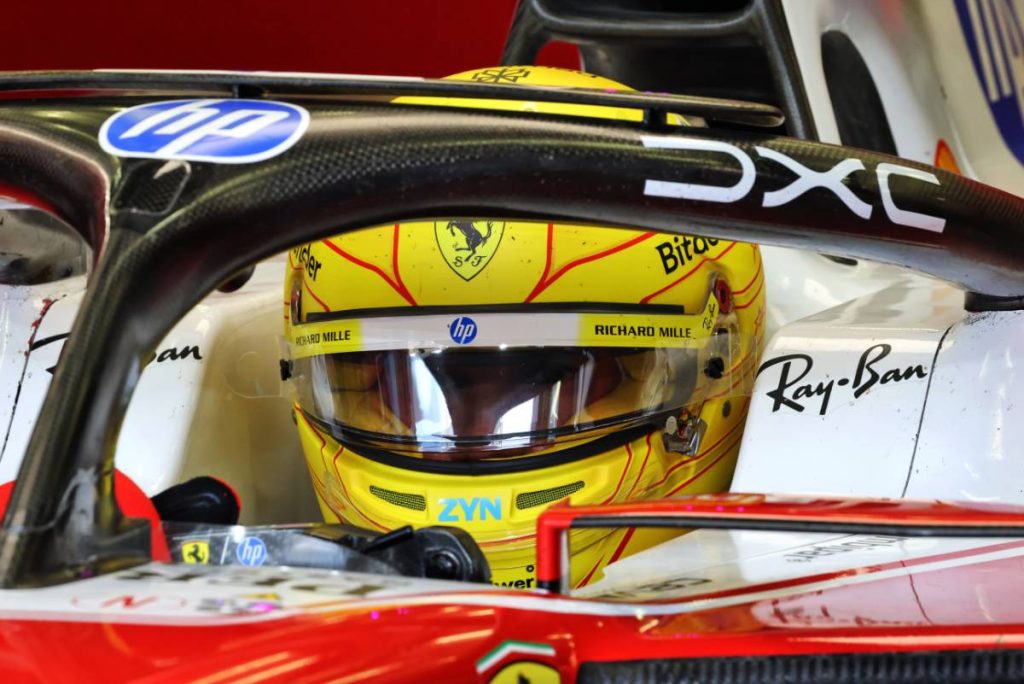
This brings us to the tantalizing prospect of Lewis Hamilton and his quest for an unprecedented eighth world championship in 2028. By then, Hamilton will be 43 years old, an age at which most drivers have long since hung up their helmets. Yet, his move to Ferrari for 2025, and potentially beyond, signals an unwavering desire to achieve that ultimate record-breaking feat.
The 2026 regulations are critical to this ambition. If Ferrari can master this new era, if they can build a consistently competitive car from 2026 onwards, then Hamilton’s chances in 2028 become significantly more realistic. His decision to join Ferrari is a massive gamble, but it’s a calculated one. He believes in Ferrari’s potential, in their resources, and in their ability to deliver a championship-winning machine.
By 2028, the technical landscape will have further matured. Teams that initially struggled with the 2026 rules will have had two full seasons to refine their concepts. The cars will likely be pushed to their absolute limits, and the margins between competitors will be razor-thin. This is where Hamilton’s immense experience, his strategic acumen, and his unparalleled race craft will be invaluable.
Imagine: A seasoned Hamilton, perhaps in his final season, battling for an eighth title in a fully developed Ferrari. The narrative would be legendary. However, several factors must align for this dream to materialize:
-
Ferrari’s 2026 Success: This is the bedrock. Ferrari must nail the 2026 regulations. If they stumble, and spend the next two years playing catch-up, Hamilton’s window of opportunity will shrink considerably.
-
Hamilton’s Sustained Performance: While his dedication is unquestionable, maintaining peak physical and mental performance into his mid-40s in the relentlessly demanding world of F1 is a monumental challenge.
-
The Competitive Field: By 2028, a new generation of talent will have firmly established itself. Drivers like Max Verstappen, Charles Leclerc, Lando Norris, and George Russell will be in their prime, fiercely hungry for championships. Hamilton will face relentless pressure from multiple quarters.
-
Team Dynamics: A harmonious and unified team environment will be essential. Any internal strife or strategic missteps could derail a championship bid.
The 2026 winter testing is therefore far more than just a preview of the upcoming season. It’s the first tangible step on a multi-year journey, one that could see the resurgence of an iconic team and the crowning glory of a legendary driver. The performance of Ferrari in these crucial early stages, their ability to interpret and execute the new technical regulations, will cast a long shadow over not just the immediate future, but over the monumental target that Lewis Hamilton has set for himself in 2028. The engines may be warming up for 2026, but the grand narrative of 2028 is already being written.